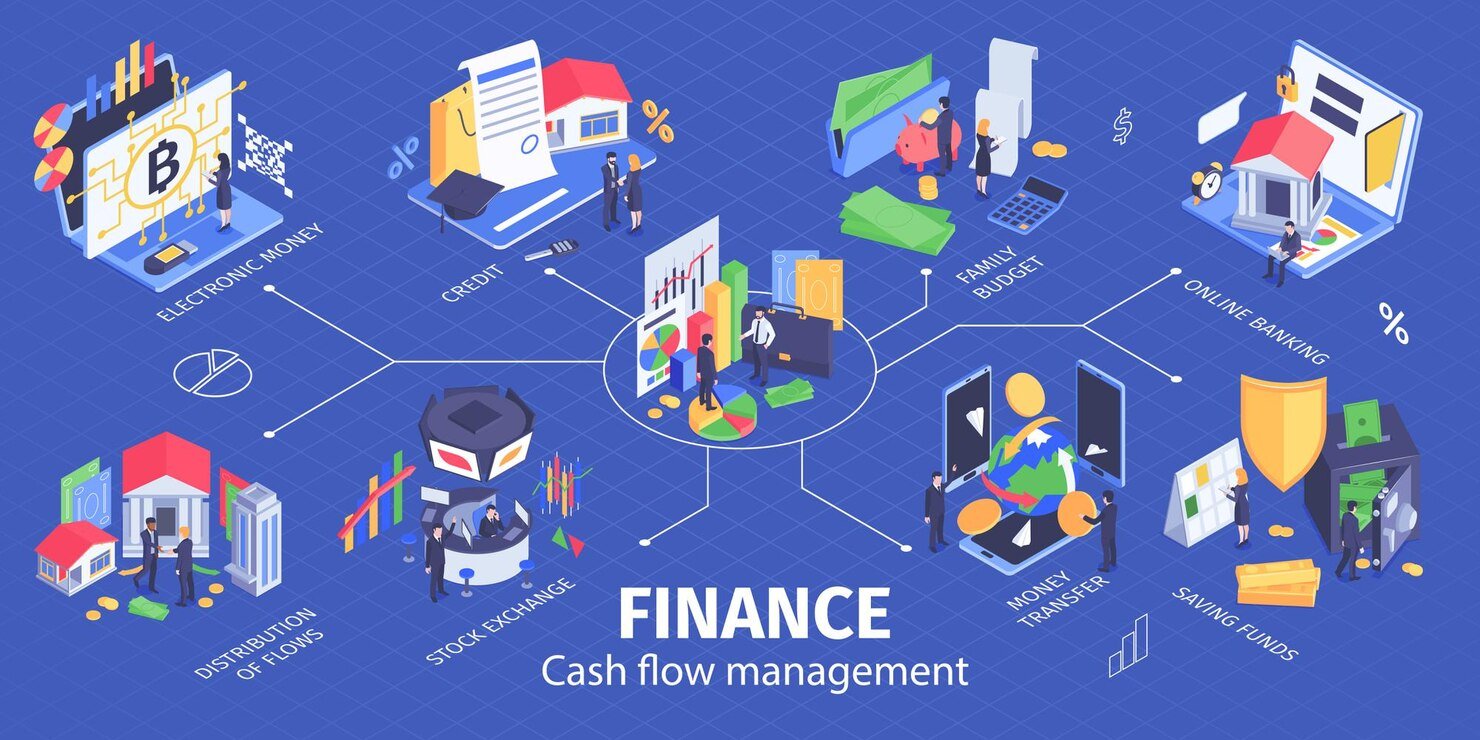

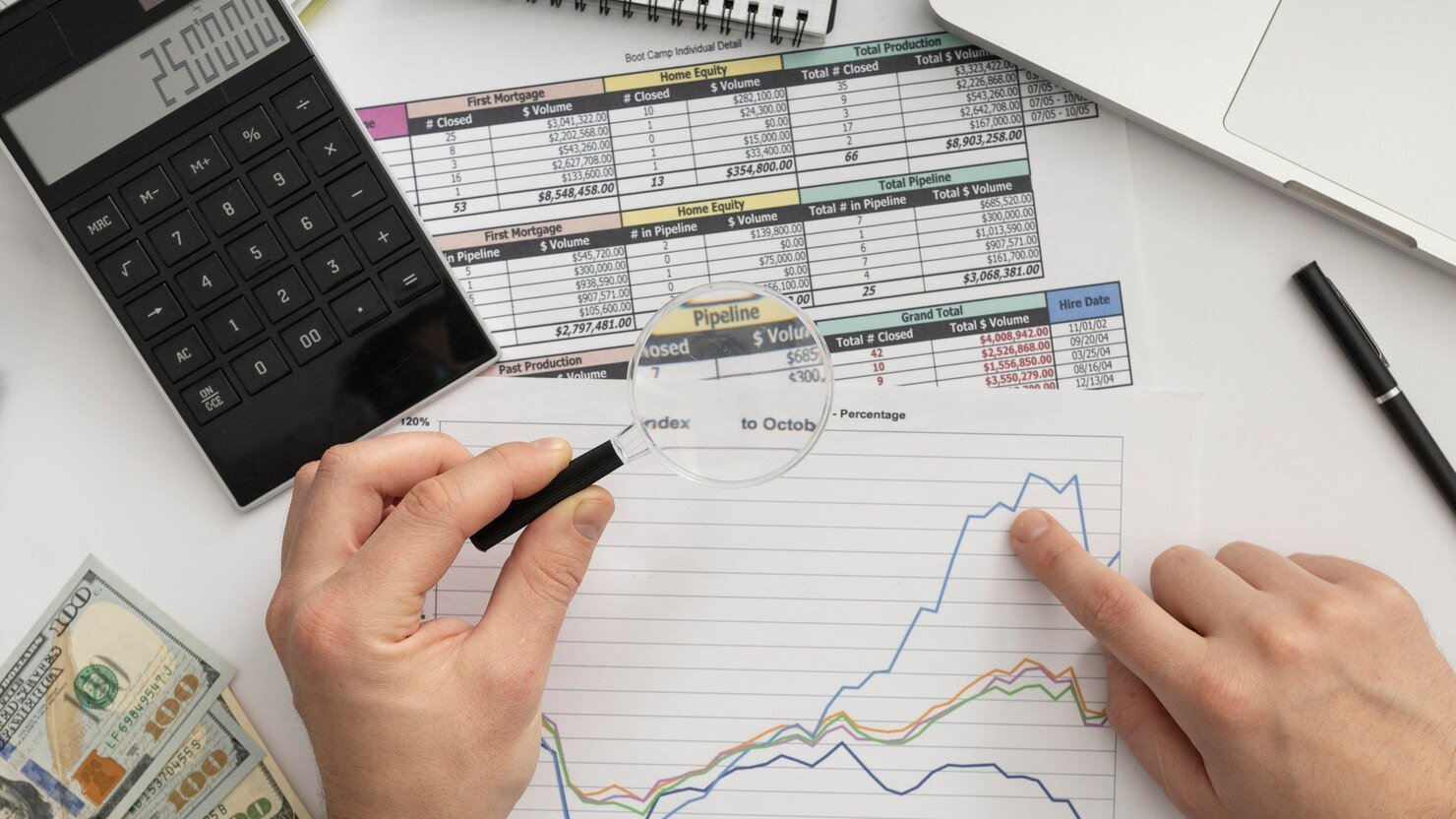
Why Cash Flow Is More Important Than Profit for Small Businesses
Many business owners celebrate profitability while struggling to pay salaries, suppliers, or rent.
This situation highlights one of the most misunderstood concepts in business finance: profit does not equal cash.
For small businesses especially, cash flow is the lifeline. A profitable company can still fail if it runs out of cash. In this article, we explain why cash flow is more important than profit and how to manage it effectively.
What Is Cash Flow?
Cash flow refers to the movement of cash in and out of a business during a specific period.
There are three main types:
-
Operating Cash Flow (day-to-day business activities)
-
Investing Cash Flow (assets & investments)
-
Financing Cash Flow (loans, capital injections)
For SMEs, operating cash flow is the most critical.
Cash Flow vs Profit — Key Differences
| Aspect | Cash Flow | Profit |
|---|---|---|
| Definition | Actual cash movement | Accounting result |
| Timing | Immediate | Accrual-based |
| Pays Expenses? | Yes | No |
| Business Survival | Critical | Secondary |
Why Small Businesses Struggle With Cash Flow
Common reasons include:
-
Late customer payments
-
High upfront expenses
-
Poor invoice tracking
-
Over-investment in inventory
-
Lack of financial forecasting
Small businesses usually have limited reserves, making cash flow issues more dangerous.
Real-Life Example
A company may:
-
Sell AED 500,000 in services
-
Show AED 120,000 profit
-
But collect payments after 90 days
Meanwhile, it must pay:
-
Salaries
-
Rent
-
VAT
-
Suppliers
Result? Cash shortage despite profitability.
Warning Signs of Cash Flow Problems
- Frequent overdrafts
- Delayed salaries or supplier payments
- Constant borrowing
- High receivables balance
- Stress during VAT or payroll cycles
Ignoring these signs often leads to business failure.
How to Improve Cash Flow
- Invoice immediately
- Set clear payment terms
- Follow up on receivables
- Negotiate supplier payment terms
- Maintain a cash buffer
- Use cash flow forecasts
Role of Technology in Cash Flow Management
Modern accounting systems help by:
-
Tracking real-time cash position
-
Automating invoice reminders
-
Forecasting future cash shortages
-
Integrating bank transactions
This allows business owners to act before problems escalate.
Cash Flow Forecasting — A Must for SMEs
A cash flow forecast:
-
Predicts incoming & outgoing cash
-
Identifies shortages early
-
Supports better decision-making
Businesses that forecast cash flow are far more resilient.
Conclusion:
Profit looks good on paper — but cash keeps the business alive.
For small businesses, managing cash flow effectively:
-
Prevents financial stress
-
Ensures operational stability
-
Enables sustainable growth
If profit is the goal, cash flow is the engine that gets you there.